Students Name: Ms. Deepalakshmi D, Ms. Goury Nandana K S, Mr. Krishnaraj R, Mr. Varun A, Ms. Saranya S
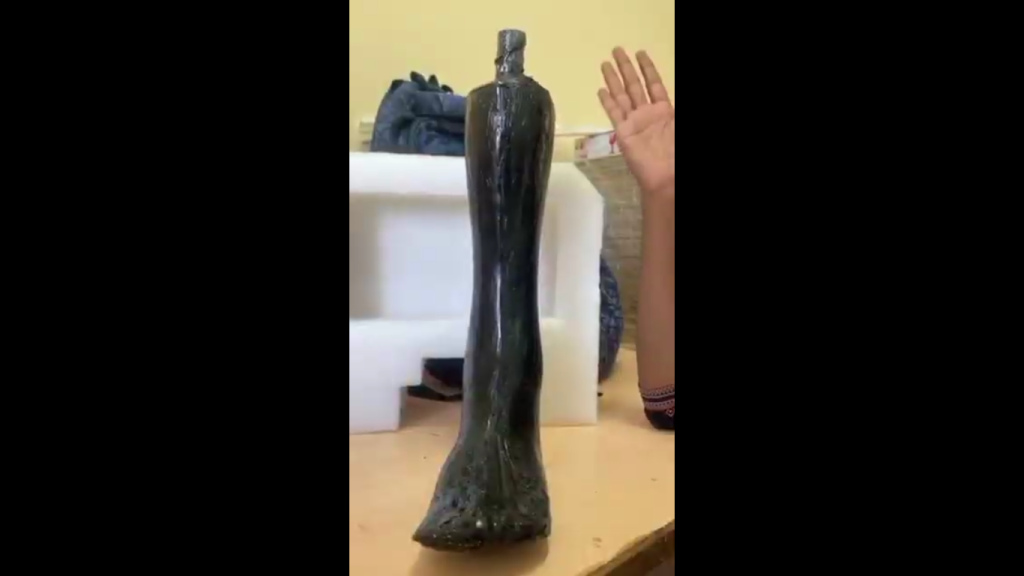
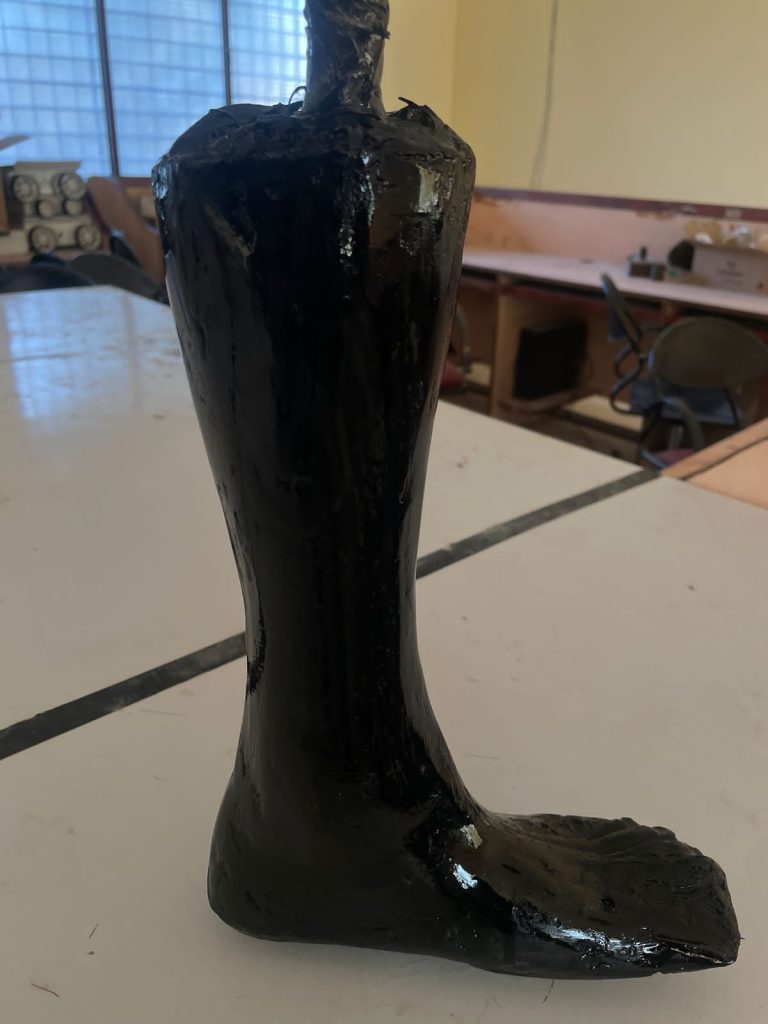
This Research explores the design and development of prosthetic limbs and materials that offer a balance of strength, durability, comfort, and light weight. This study introduces a novel approach to prosthetic limb fabrication using a composite structure of carbon fiber and polypropylene (PP) foam. Carbon fiber is used for both the core and outer layers, providing high strength, rigidity, and durability, while the middle layer of PP foam enhances shock absorption and reduces weight, improving comfort for the wearer.
A key innovation in this study is the use of Fiber Reinforced Plastics (FRP) for manufacturing the molds. FRP molds are created at room temperature, eliminating the need for high-temperature processing, which is typically required in traditional molding techniques. This approach simplifies the production process, reduces costs, and ensures precision in the final product. The FRP molds are durable, allowing for consistent production and precise fitment of the prosthetic components. Mechanical testing of the composite structure shows that it can withstand the forces encountered during daily activities such as walking, running, and climbing stairs. The combination of carbon fiber and PP foam, along with the use of FRP molds, results in a prosthetic limb that is both cost-effective and functional. This method provides an optimal balance of strength, comfort, and affordability, offering a viable solution to improve the quality of life for amputees by providing a durable, lightweight, and well-fitting prosthetic limb.